
December 2025
Navigating the Festive Season with Clarity, Strength and Intention
How Men Can Lead Themselves Well Through the Festive Season
Before I share this month’s resources, here’s something useful to help you manage the festive season with more intention.
Every year, Christmas is presented as effortless joy. Smiles. Jumpers. Drinks. Perfect families. Perfect moments. But the truth, behind closed doors, is often very different.
For many men, especially those in senior roles, leading businesses in December can feel more like a pressure cooker than a celebration.
There’s the unspoken expectation to hold everything together, stay upbeat, show up well, and keep the peace… even when something inside feels frayed.
In coaching conversations, I hear the same sentences every December: 'Why am I not enjoying this?' 'Why do I feel tense?' and Why can’t I switch off?
Men, particularly those who choose to carry their burdens alone, assume they’re the only ones feeling this way, but the data suggests otherwise:
- Over half of men say they feel lonely at Christmas, even when they’re not alone.
- More than a third find Christmas stressful, and many worry about overspending.
- A quarter of people report their mental well-being dips over the festive season.
Add the usual life load of work, family dynamics, logistics, school holidays, spending, trying to be a present parent, and Christmas can become a perfect storm. Lots of expectation, very little space.
The risk is obvious: men enter January drained, frustrated and already behind, instead of rested and ready to take on the new year.
To help prevent that, I offer clients a simple structure: The Three C’s.
1. Create Space. Think a minimum of 10 minutes for a walk and some fresh air; it offers time to breathe, reset and regulate ourselves. Tell those around you in advance that you’re taking this time each day. It’s the smallest intervention with the biggest return.
2. Check In. Have one person you can speak to when things feel heavy: a friend, a brother, or someone you trust. Keeping everything inside only intensifies the pressure; offloading doesn’t make you weaker; it keeps you functioning.
3. Consciously Consume. What you eat, drink, watch and scroll shapes your state. Be aware of your choices; yes, relax, but avoid escapism and self-sabotage. Think: Will I be proud of this in January? That question alone can create awareness and greater congruence.
Small decisions across December shape a man’s ability to enter January with clarity, capacity and control. Success over Christmas isn’t about doing more; it’s about being honest to your own needs, and it’s about being deliberate.
For me, a man sets himself up for success in December by being deliberate, not reactive, and as with the three C’s above, it starts with protecting small pockets of space so he can regulate himself before the pressure builds. If Christmas is a good time of year for you, I wish you a wonderful experience; if it’s not, I hope you honour your needs and follow the advice above.
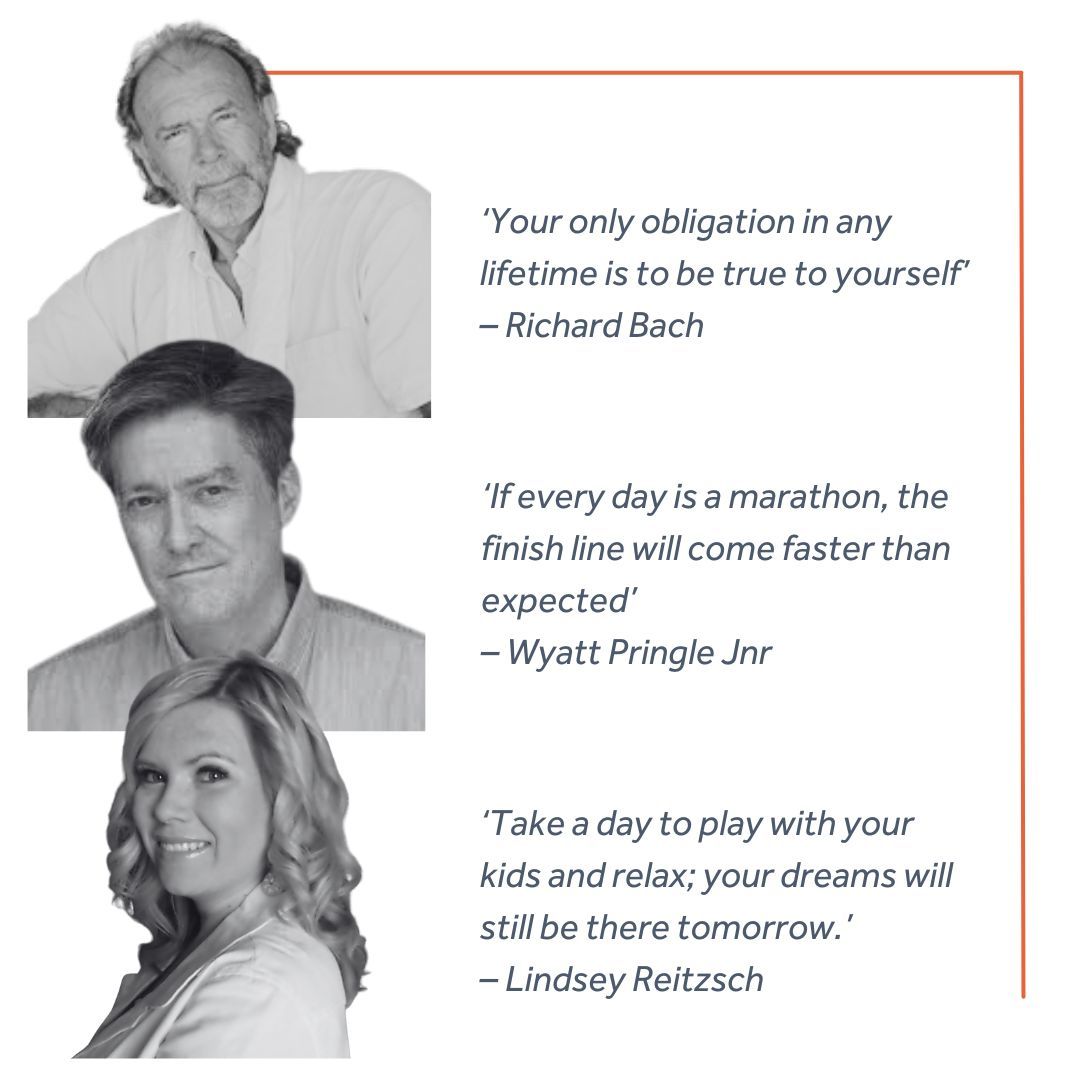
Don’t just read the quotes. Instead, take a moment to consider them and hold them up against your life.
This month’s quote theme, as we enter into a month that perhaps offers us the space for greater self-reflection, is: The Man Within, and Why You Must Make Time to Befriend Yourself.
Within every man, there is a hidden man, the part of us that knows the truth long before we’re willing to say it out loud. He’s the one who feels the tension when life drifts off course. The one who notices the compromises, the quiet frustrations, the moments where we pretend everything’s fine – even when we know it’s not. He’s there in all of us, but many men spend decades avoiding him.
No one other than you knows what it feels like to be you. Not your partner, your friends, and certainly not your colleagues or employees. People see your behaviour and the role you play, but not the weight you carry.
Only you know the pressure you’re under, the questions you avoid, and the parts of yourself you’ve postponed dealing with, which is why befriending yourself isn’t optional; it’s essential.
In today’s frantic, non-stop world, men rarely make time to sit with themselves. Instead, we make time for work, for obligations, for socials and scrolling, but not for the one relationship that shapes every other: our relationship with ourselves.
When we don’t make that time, we slide, not in dramatic, overnight ways, but slowly, quietly, one small compromise at a time. We tolerate things we shouldn’t, and we numb what needs attention; we become spectators in our own lives!
But when a man slows down long enough to hear and feel himself, he can begin to lead himself. He can realign his life and become someone he recognises again: a man he’s proud of. In the end, befriending yourself is the gateway to better self-leadership, because when you know yourself, the hidden man within finally gets a voice.
Use the quotes above to consider how well you’re showing up in your own life.

Sit down to take a minute to read, reflect or journal on the prompts presented below.
This month’s prompt theme is: Why Men Need to Stop Measuring Success by Productivity and Start Measuring It by Presence.
For too long, men have been conditioned to measure success by output: productivity, efficiency, achievement, the next milestone, the next win. It’s a head-led, hyper-logical way of living that often keeps us chasing societal definitions of success while quietly disconnecting us from ourselves and the people who matter most.
But here’s the truth: if success comes at the cost of presence, it costs too much!
Yet men often prioritise productivity over connection, work over relationships, and performance over emotional honesty. In doing so, they ignore the intuitive nudges, the heart-led signals that something isn’t right. Instead of slowing down, they speed up; instead of tuning in, they push on.
As we move into the festive season, this becomes even more visible: parenting, marriage, friendships, and blended family dynamics all require presence, not performance. Children don’t remember how busy you were; they remember if you were there. Partners don’t want a more productive man; they want a more available one.
Life isn’t happening to us; it’s responding to us. If you feel disconnected from your purpose, your partner, your children, or your friends, the answer isn’t to do more; it's to be more. More attentive, more available, more present. Help yourself by reflecting on the prompts below:
- What relationships have I neglected in my pursuit of work or achievement?
- If presence became my new measure of success, how would my days actually change?
- As Christmas approaches, what moments do I want to remember, and how do I need to show up to create them?
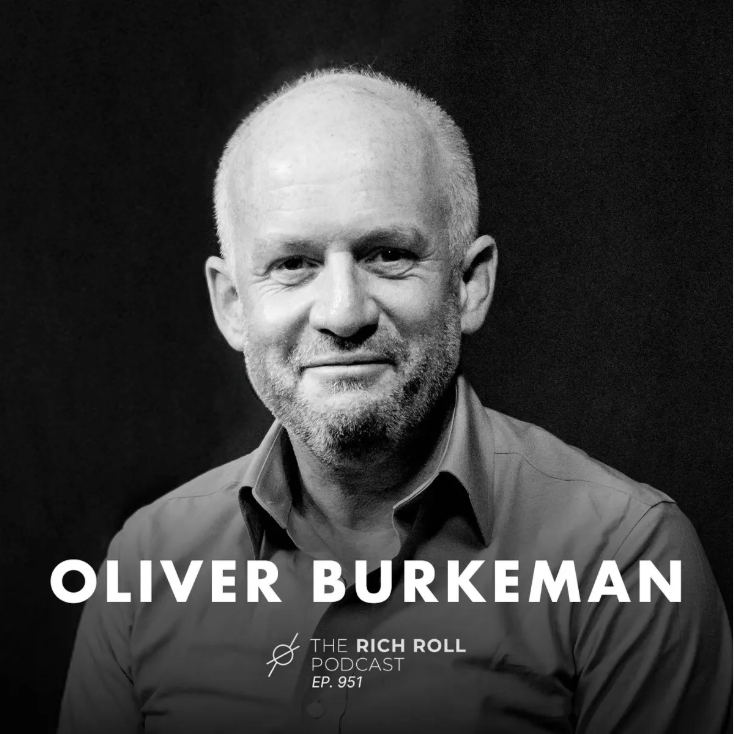
This month’s recommendation is: Rich Roll Podcast.
If you’re worn down by productivity culture or feel constantly behind, this Rich Roll episode is worth your time. Rich, known for his depth, curiosity and his ability to draw out the truth in people, sits with Oliver Burkeman, the bestselling author of Four Thousand Weeks and one of, in my opinion, the clearest thinkers on time, attention, and the modern overwhelm.
Together, they explore why our obsession with efficiency is making life smaller, not better, and why the real solution isn’t doing more, but choosing better. Burkeman’s thinking cuts through the noise; he explains why so many high-performing men feel stretched, stuck or secretly dissatisfied, and what to do about it.
If you want to rethink how you spend/invest your time and reclaim a sense of agency in a world that constantly demands more, this is a powerful listen.



This month’s recommendation is Booker Prize winner: Flesh.
Flesh reads like a thriller, driven by stripped-back, precise prose. It pulls you straight into the turbulent life of Istvan, a man who looks strong and unshakeable from the outside, yet is slowly exposed by the tragedies and pressures that shape him.
What makes this book particularly relevant for men is how clearly it captures the tension between appearance and reality. Istvan projects robustness, but his internal world tells a different story: the strain, the psychological unravelling, the quiet battle to hold himself together. It’s a compelling pick-up-put-down novel that moves fast and reveals something true about the male experience.

Here’s a piece on masculinity and our responsibility to mature it:
From birth, boys are shaped by three forces: parental expectations, societal norms and educational messaging. Together they create a one-dimensional blueprint for what a man ‘should’ be: work hard, provide, protect, stay strong, stay silent, stay successful and, above all, stay self-sufficient.
Most men still follow this conditioning without realising it. Not only does it break us, but it also sets us up for failure in midlife…
Suicide remains the biggest killer of men under 45 in the UK. Thirty-two per cent of men say they don’t have a best friend. The least happy and most anxious men in the population are those aged 40–49, the same age bracket in which most divorces occur. These aren’t isolated statistics; they’re signals of a system that no longer works.
Masculinity, as we inherited it, is outdated. While the world accelerates, we as men are stagnating, clinging to a model built for a different era. It’s time to acknowledge the obvious: the old blueprint is obsolete, and unless we change it, the next generation will inherit the same limitations, the same challenges, and the same uncompromising expectations.
We need to mature masculinity into something fit for purpose. Something more human, something fit for our modern era, something that actually helps men live, not just endure.
My vision is simple: the men of today redefine what ‘successful masculinity’ looks like. We take responsibility for leading ourselves first, then those we influence: families, colleagues and communities. We stop waiting for someone else to fix it. We stop hiding behind the mask of ‘I’m fine.’
This isn’t a message of hope; it’s a message of change. If we don’t break the cycle of complacency, our sons and daughters will pay for our inaction.
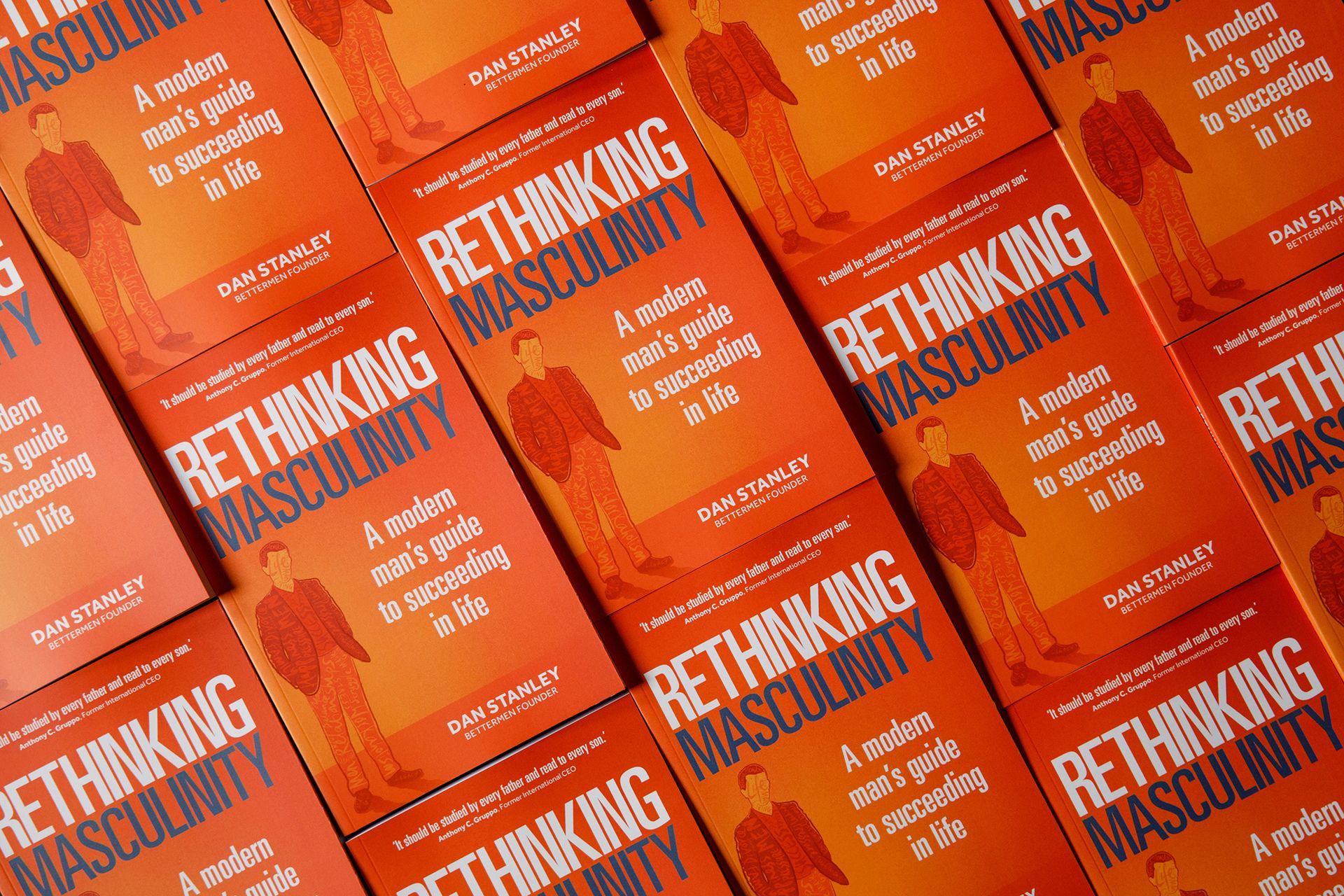
In Rethinking Masculinity, I highlight the challenges men face: workaholism, the respectable addiction; loneliness, which is worse for your health than obesity; Poor mental health, the leading cause of death for young men; Midlife crisis is a transition every man experiences, but few navigate well, and divorce is often the consequence of emotional absence, not incompatibility.
The new blueprint of masculinity proposed in my book counters the lives most men live. Instead of men neglecting and sacrificing their health, happiness, and relationships in the pursuit of professional success, I invite men to lead themselves, to be clear on who they are, what they stand for, and how they will live. To invest time and effort in their key relationships, if they have them, to nurture and support their children fully. To use their financial position to facilitate greater life experiences and build memories they will never forget. Finally, the last part of the blueprint is continued, but with conscious, professional success. No more noses to the grindstone; this is the new winning formula for modern men. If you’re ready, or even curious, about the changes you could make in your life, you can get a copy of Rethinking Masculinity for free (just cover postage); the final day for pre-Christmas delivery is 19th December.
Will you join me, and thousands of other men, in becoming better?
This month’s TED Talk is: The Other Side of Ego.
Doug’s TED Talk is more than a story; it’s a man looking straight into his own soul and dropping the ego-based judgements most of us hide behind.
His account of that moment with Doug and Molly reminds us that the best things in life aren’t always spoken; they’re felt through shared experience. It’s simple, human and disarming in all the right ways. If you want a timely reminder of what real presence looks like and how connection can change us without a single word, this is worth your time.
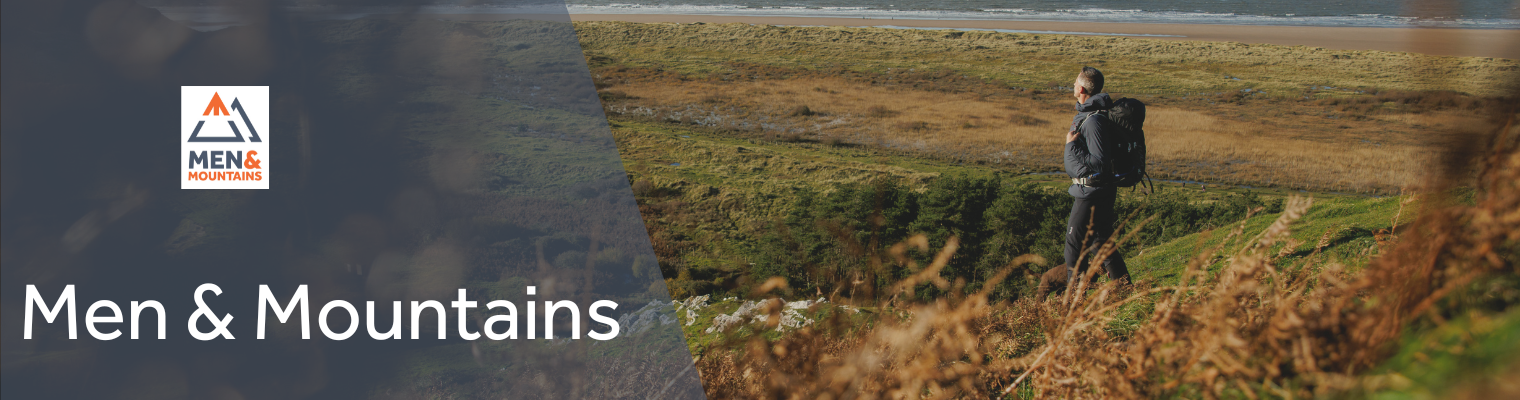
26 men gathered in uncertain autumnal conditions for our November Men & Mountains walk. The route was close to nine miles, with a couple of challenging ascents that asked something of everyone. On top, the hill mist broke just long enough to give us brief glimpses of the rugged Beacons, a reminder of why we do this, regardless of the weather. Lunch was short; the cold kept us moving.
As we pushed on with the route, the conversation deepened. This month’s theme aligned with International Men’s Day (19 November): Healthy Masculinity. It opened the door to honest discussions around relationships, leadership, fatherhood, blended families, personal standards, and what it means to be a visible, positive role model in a world where many men feel unsure of the path forward.
We have our Festive Gathering on Saturday, 13th December; there’s still a place or two left if you wish to join us. Message me on 07834456488 to book or find out more. Our 2026 dates will be shared over the festive period, but if you’re looking to join a community and be a part of something, look no further.
If you want to walk November’s route, it can be accessed here:
Additionally, here’s a collection of images from our walk.
If you want to join our community for walks or kinship, click the button below to register.

If 2025 hasn’t been your best year, don’t fall into the trap of leaving 2026 to chance.
I’m serious, if you feel lost, lacking purpose, clarity or energy, or fear your best years are behind you, then take two minutes and complete my "Do I Need a Coach?" diagnostic.
It will help you identify the areas of your life that are holding you back. Once completed, you’ll receive a personalised PDF report with your audit score and clear, practical recommendations to help you move forward, both personally and professionally.
Assess Yourself Now: